By CITIEA
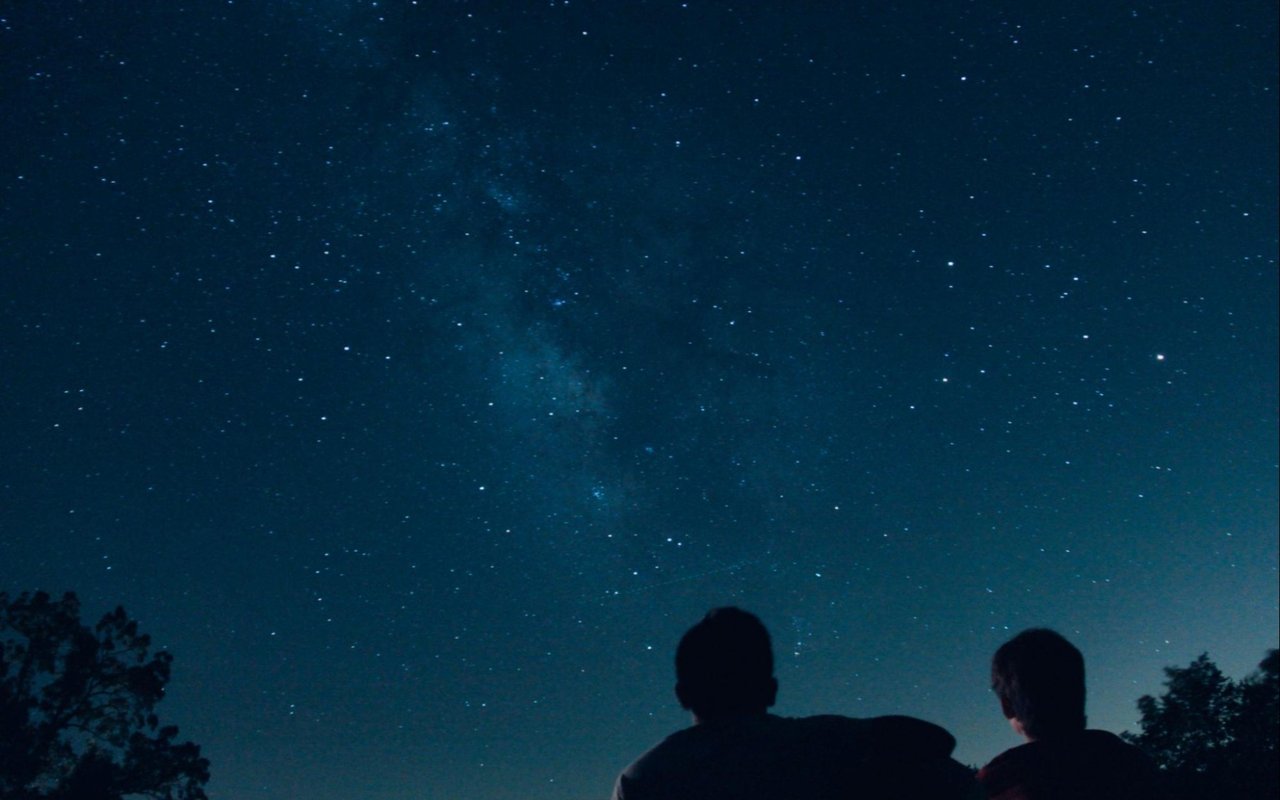
Arizona has more certified dark sky communities than any other state, and the East Valley sits in the middle of one of the most active stargazing regions in the country. We spend a lot of time helping clients understand what makes this area special, and the night sky is one of those advantages that consistently surprises people who are new to the Phoenix metro. If you have not made it out to one of the East Valley's stargazing destinations yet, here is where to start.
Key Takeaways
- The East Valley — covering Mesa, Gilbert, and surrounding communities — has several accessible stargazing destinations with organized programming and public telescopes
- Gilbert has adopted dark-sky-friendly lighting policies that reduce light pollution across the town
- Programs at the Gilbert Riparian Preserve, Usery Mountain Regional Park, Lost Dutchman State Park, and Canyon Lake run throughout most of the year
- Living in the East Valley means having some of Arizona's best night sky access within a short drive
The Gilbert Riparian Preserve and Rotary Centennial Observatory
Gilbert is one of the best starting points for stargazing in the East Valley, in part because the town has deliberately adopted dark-sky-friendly lighting policies that keep light pollution lower than many surrounding communities. The result is a noticeably clearer view overhead than most suburban backyards in the metro can offer.
At the center of Gilbert's astronomy scene is the Riparian Preserve at Water Ranch, a 110-acre urban nature preserve at 2757 E. Guadalupe Road. On the grounds sits the Gilbert Rotary Centennial Observatory, owned by the Town of Gilbert and managed by the East Valley Astronomy Club. The observatory houses a 16-inch Meade telescope on a computer-controlled German equatorial mount, and public viewing sessions run every Friday and Saturday evening from sunset to 9:30 p.m. The suggested donation is $3 for adults and $5 for families.
At the center of Gilbert's astronomy scene is the Riparian Preserve at Water Ranch, a 110-acre urban nature preserve at 2757 E. Guadalupe Road. On the grounds sits the Gilbert Rotary Centennial Observatory, owned by the Town of Gilbert and managed by the East Valley Astronomy Club. The observatory houses a 16-inch Meade telescope on a computer-controlled German equatorial mount, and public viewing sessions run every Friday and Saturday evening from sunset to 9:30 p.m. The suggested donation is $3 for adults and $5 for families.
What to Expect at the Gilbert Observatory
- Views of planets, star clusters, nebulae, and deep-space objects through the 16-inch telescope
- Free public star parties hosted by the East Valley Astronomy Club on the second Friday of each month, beginning at dusk
- A Solar Walk on the preserve grounds — a scaled model of the solar system
- Private viewings for small groups of up to six available by appointment Sunday through Thursday
The East Valley Astronomy Club, a nonprofit founded in 1987 with more than 250 members, staffs all sessions with volunteers. Monthly star parties feature additional member telescopes and an astronomy talk at the adjacent Gilbert library at 7:30 p.m.
Usery Mountain Regional Park
Located at the western end of the Goldfield Mountains in northeast Mesa, Usery Mountain Regional Park covers 3,648 acres and sits far enough from the urban core to offer noticeably darker skies. The park runs a "Stargazing for Everyone" program that brings telescopes and experts in to teach visitors about the moon, planets, constellations, and galaxies. Flashlight tours and scorpion hunts using black lights are popular with families, and program dates vary by season.
Why Stargazers Prefer Usery Mountain
- Elevation above the valley floor reduces haze and ambient light from the metro
- The Goldfield Mountains provide a natural buffer from Phoenix light sources to the west
- A campground on-site accommodates tents and RVs, allowing overnight stays under the stars
- Hiking, biking, horseback riding, and an archery range make it a full-day destination
Usery Mountain is about 20 minutes from central Mesa — close enough for a weeknight outing and dark enough to make it worth the drive.
Lost Dutchman State Park
East of Mesa along the Apache Trail, Lost Dutchman State Park covers 320 acres at the base of the Superstition Mountains at around 2,000 feet in elevation. The park delivers the kind of relative darkness and dramatic landscape that makes it one of the most memorable stargazing locations in the East Valley.
The Superstition Mountain Astronomical League runs star parties here with telescopic views of planets, star clusters, and galaxies. Registration is $10 per participant, events are capped at 60 attendees, and advance booking is required — no walk-ups are permitted. Rangers also lead full moon hikes throughout the lunar cycle.
The Superstition Mountain Astronomical League runs star parties here with telescopic views of planets, star clusters, and galaxies. Registration is $10 per participant, events are capped at 60 attendees, and advance booking is required — no walk-ups are permitted. Rangers also lead full moon hikes throughout the lunar cycle.
What Makes Lost Dutchman Stand Out
- Elevation around 2,000 feet means less atmospheric interference than valley-floor parks
- The Superstition Mountain backdrop creates one of the most scenic viewing settings in the metro
- Ranger-led astronomy events and full moon hikes serve all experience levels
- Located approximately 30 minutes from central Mesa and 40 minutes from central Scottsdale
Canyon Lake and the Dolly Steamboat
Canyon Lake offers a completely different approach. Astronomy expert Dr. Sky hosts astronomy dinner cruises aboard the Dolly Steamboat on select Saturdays from January through May, featuring a presentation on the solar system over approximately 2.5 hours on the lake. It is one of the only places in the region where you can combine waterside dining with a guided celestial program.
Quick Reference: East Valley Stargazing
- Gilbert Riparian Preserve & Rotary Centennial Observatory — public viewing every Friday and Saturday, free star parties second Friday of each month
- Usery Mountain Regional Park — seasonal programs, camping, dark skies at the base of the Goldfield Mountains in Mesa
- Lost Dutchman State Park — registered star parties and full moon hikes, around 2,000 feet elevation at the base of the Superstition Mountains
- Canyon Lake Dolly Steamboat — astronomy dinner cruises with Dr. Sky on select Saturdays from January through May
All four are within 30 to 50 minutes of central Scottsdale — a range that surprises most buyers coming from markets where this kind of access does not exist.
Frequently Asked Questions
When is the best time of year for stargazing in the East Valley?
October through June offers the clearest, most consistent conditions. Arizona's monsoon season, which typically runs from July through September, brings increased cloud cover and humidity that can limit visibility. Outside that window, the desert's low humidity and dry air create conditions that rank among the best in the country.
Do I need a telescope to stargaze at these locations?
No. The organized programs at the Gilbert Rotary Centennial Observatory, Usery Mountain Regional Park, and Lost Dutchman State Park all provide access to telescopes as part of their public programming. A pair of binoculars enhances the experience but is not required.
How far are these sites from central Scottsdale?
The Gilbert Riparian Preserve is about 20 minutes southeast. Usery Mountain Regional Park is approximately 25 minutes east. Lost Dutchman State Park is about 40 minutes, and Canyon Lake is roughly 45 to 50 minutes via the Bush Highway.
Connect with CITIEA Today
The East Valley offers a quality of life that goes well beyond square footage and lot size. Dark skies, state parks, and accessible outdoor programming are part of what makes the Phoenix metro genuinely different from most major markets.
Reach out to us, CITIEA, to learn more about homes across Scottsdale, Phoenix, and the East Valley.
Reach out to us, CITIEA, to learn more about homes across Scottsdale, Phoenix, and the East Valley.