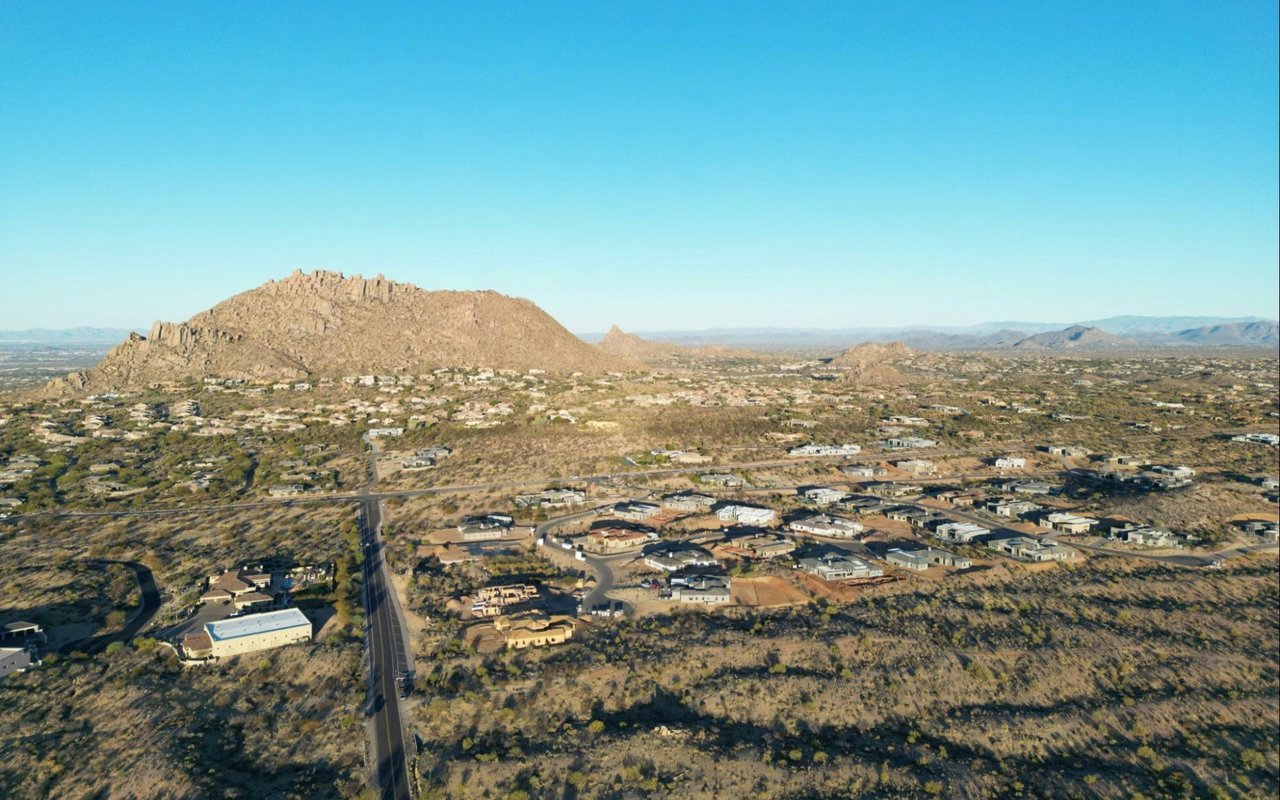
Scottsdale did not become a luxury desert destination by accident. Its real estate story is one of calculated growth, strategic land planning, historic architectural influence, and a consistent ability to reposition itself for the next wave of demand.
What began as an agricultural outpost in the late 19th century is now one of the Southwest's, if not the country's, most well-established and sought-after luxury lifestyle housing markets. Here's how it unfolded.
Agriculture, Adobe, and the Foundations of Land Value (1890s–1940s)
Scottsdale's real estate story begins in 1888, when Army Chaplain Winfield Scott acquired 640 acres of land in what was then open desert east of Phoenix. The viability of the area hinged on water. More specifically, the irrigation rights made possible by the Desert Land Act of 1877. Without the necessary water infrastructure, there would have been no settlement, no agriculture, and certainly no future luxury housing market. At least not in the form we see today.
Early construction reflected practicality. Homes were modest, often adobe-built, and designed to withstand the intense desert heat. The land was utilitarian, tied to citrus groves, cattle operations, and ranching rather than residential prestige.
One of the most consequential land holdings from this era was DC Ranch, originally a large-scale cattle operation. In a scenario that would often repeat itself as the Scottsdale region grew, this onetime prized piece of acreage would later anchor one of North Scottsdale's most valuable master-planned communities.
A defining architectural moment arrived in 1937 when, in the midst of the Great Depression, Frank Lloyd Wright established Taliesin West in what is today Central Scottsdale. Wright's winter home and studio did more than introduce design innovation. Many of America's most notable mid-century architects would intern, study, or work here, and the desert itself was reframed as an aesthetic asset. His philosophy, which showcased buildings that belonged to the land rather than sat on top of it, permanently influenced how Scottsdale would think about architecture and how homes interact with the land.
From that point forward, Scottsdale became a premier cultural hub for Southeastern luxury design.
Post-War Acceleration: Modernism and Identity (1950s–1970s)
After World War II, Scottsdale turned into a boomtown. The 1950s brought incorporation and the city's first major growth phase. As the population expanded, so did its brand. Marketed as "The West's Most Western Town," the city leaned into a well-earned frontier image while also embracing mid-century modern design.
This dual identity, pairing Western charm with architectural modernism, became a foundational aspect of the city's identity.
Between 1955 and 1965, Scottsdale experienced a notable apartment boom. Developers constructed high-end, furnished, air-conditioned apartment communities, many with swimming pools, which proved a major luxury at the time.
The growth in multifamily began a transition that saw Scottsdale shift from a seasonal destination ranch town to a lifestyle-driven residential destination. During this time, the city would see the first spring training games played in Scottsdale, the establishment of the annual Parada del Sol celebration, and the All Arabian Horse Show.
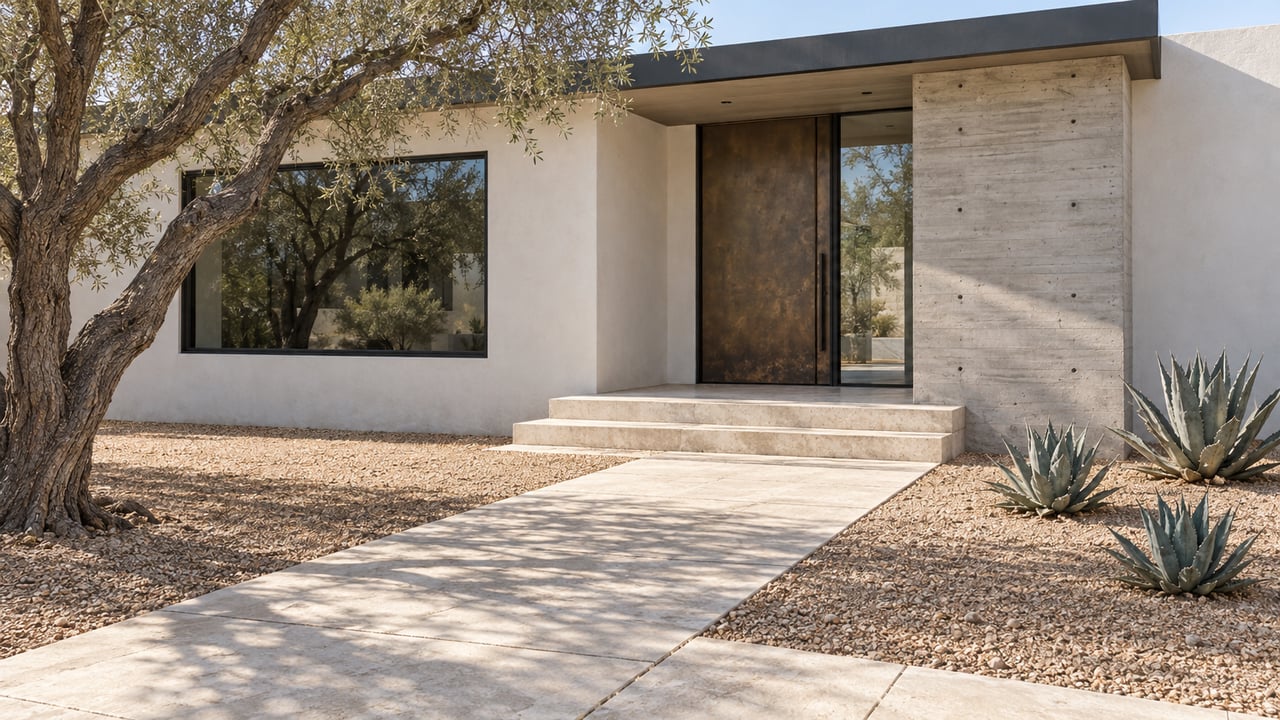
Architecturally, the 1950s and 1960s ushered in low-pitched roofs, clean lines, extensive glass, and open floor plans influenced by architects such as Ralph Haver. Homes blurred the boundary between indoor and outdoor living. Patios, courtyards, and pools became an integral part of area residential architecture.
Then came one of the most transformative projects in Scottsdale history: McCormick Ranch.
Developed in the late 1960s and 1970s on former ranch land, McCormick Ranch redefined suburban planning in the desert. It introduced lakes, golf courses, greenbelts, and integrated commercial areas. The master-planned development laid the groundwork for others to follow, and its success would put Scottsdale on its current trajectory.
Since the establishment of McCormick Ranch, Scottsdale's growth has come from planned communities influenced by lifestyle amenities.
The Resort Era and the Luxury Pivot (1980s–2000s)
By the 1980s, Scottsdale had firmly positioned itself as a resort destination. High-profile properties like The Phoenician and Hotel Valley Ho reinforced the city's newfound desert luxury identity.
These luxury ideals altered the scope of Scottsdale residential real estate.
Resort-level service expectations began influencing home design. Buyers wanted pools that felt like private retreats, landscaping that mirrored resort grounds, and homes that supported entertaining.
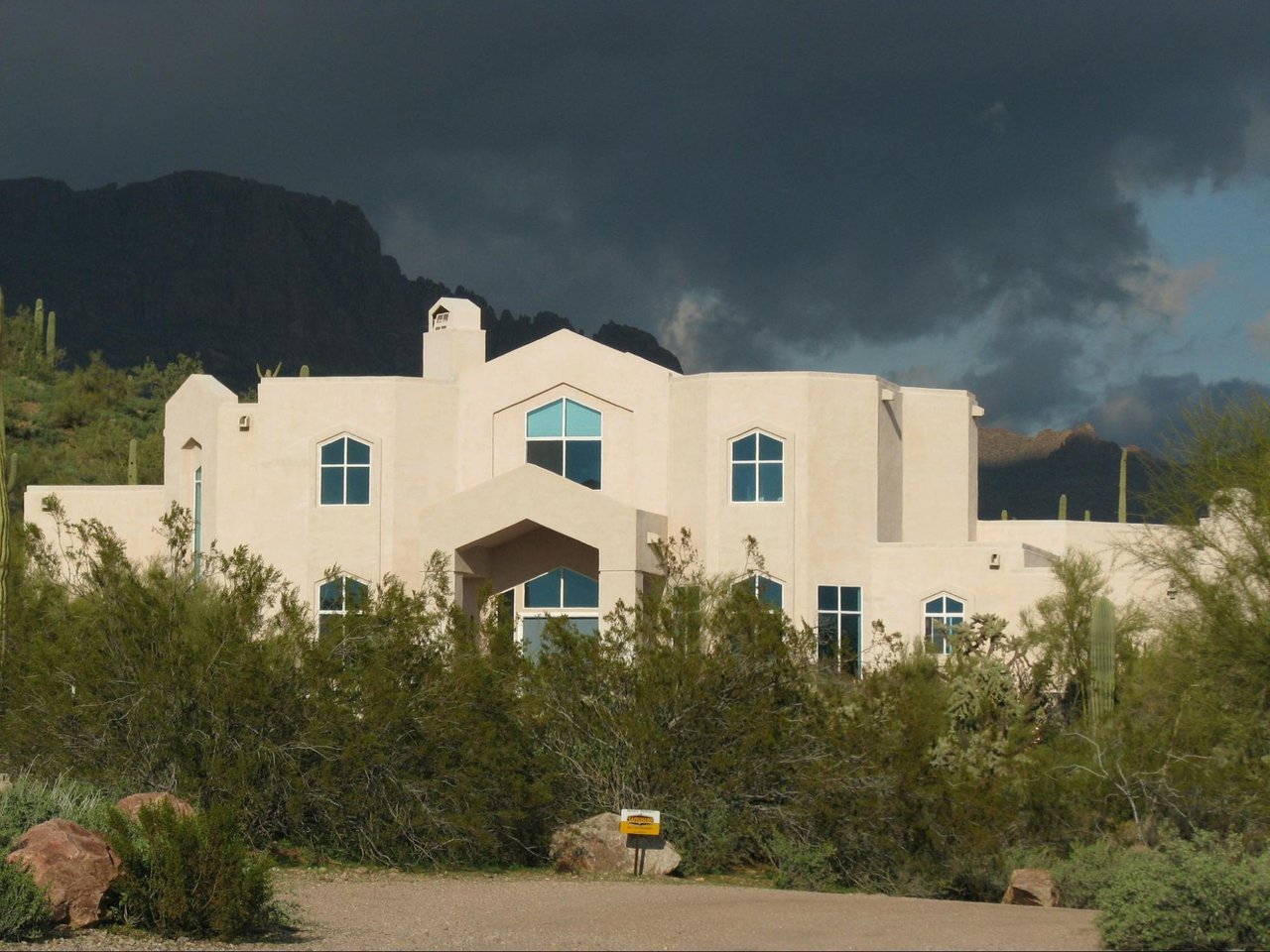
The 1990s and early 2000s brought growth to North Scottsdale and a bevy of gated enclaves, golf communities, and bespoke desert estates, many of which were established in the shadow of the McDowell Mountains and Pinnacle Peak. Developments offered high-end residential with golf, clubhouses, social events, and year-round programming centered around a carefully curated aesthetic.
Modern Day Scottsdale (2010s–Present)
Like every major U.S. housing market, Scottsdale felt the effects of the 2008 downturn, but the area's recovery was swift. With land at a premium and internal migration from higher-cost, cold-weather states along the East Coast and in the Midwest, demand recovered relatively quickly.
The pandemic-era real estate frenzy further amplified the viability of Scottsdale's planned resort community landscape.
Remote work, lifestyle reprioritization, and wealth migration drove significant demand into the Phoenix metro area. Scottsdale's already established luxury residential infrastructure proved a natural fit.
Today's market is a showcase for several themes set to shape the Scottsdale market over the next few years, including strong demand for "lock-and-leave" luxury condominiums and townhomes, and the expanding market of high-end 55+ communities catering to affluent Baby Boomers.
Explore the Scottsdale Lifestyle with CITIEA
Scottsdale has consistently adapted to the preferences of its most influential buyer segments, including mid-century snowbirds, lifestyle-driven transplants, remote- and hybrid work professionals, and retirees seeking maintenance-free sophistication. All of which began with a single 640-acre plot of desert.
For buyers and investors evaluating Scottsdale today, what drives the city today is all that different from what drove it back then. Water rights, architectural vision, master planning, and sustained lifestyle demand continue to influence pricing, development patterns, and long-term desirability.
If you're interested in learning more about homes in Scottsdale, contact CITIEA today. With over $800 million in real estate sales across Phoenix, Scottsdale, and the East Valley region, and more than 1,600 successful closings in 2025 alone, our team's extensive experience and expertise will help you navigate Scottsdale's stunning residential landscape and extraordinary real estate market.
And, if you're considering a sale, whether within Scottsdale or elsewhere in Greater Phoenix, give us a call today. With a track record that includes selling homes on average for 5.8% more and for 58% faster than the MLS average, we can connect your listing with the right buyer and at the right price, ensuring yours is a rewarding and lucrative home-selling experience.